
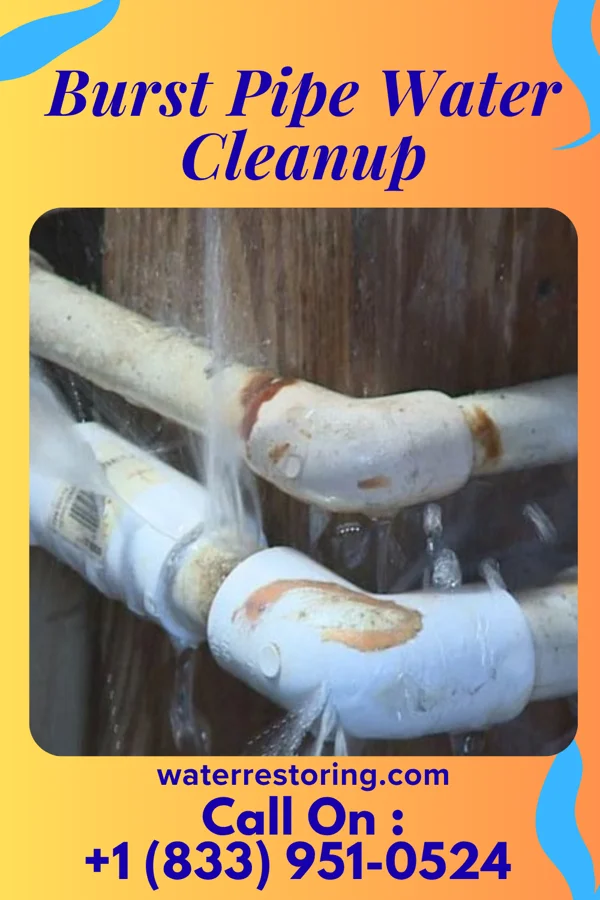
Swift Trail Junction Pipe Burst Risk Drivers
Water damage in Swift Trail Junction tends to cluster in predictable windows because of the local climate. Swift Trail Junction, Arizona, experiences a dry climate with low humidity, but the region's rural setting and aging infrastructure can lead to pipe corrosion and bursts, especially in older homes. The area's proximity to Cactus Flats and Safford means that water main issues in neighboring towns can sometimes affect local water pressure and flow. A close second is The area's rural nature and limited access to immediate repair services increase the risk of prolonged water exposure from burst pipes. Additionally, the region's fluctuating temperatures can cause pipes to expand and contract, increasing the likelihood of cracks and leaks..
Swift Trail Junction's arid climate and temperature extremes contribute to a higher risk of pipe bursts, particularly in homes with outdated plumbing systems. The region's low humidity also means that once a pipe bursts, the water can evaporate quickly, but the damage can still be extensive if not addressed promptly.
Swift Trail Junction's arid climate and temperature extremes contribute to a higher risk of pipe bursts, particularly in homes with outdated plumbing systems. The region's low humidity also means that once a pipe bursts, the water can evaporate quickly, but the damage can still be extensive if not addressed promptly. The dominant local driver is Swift Trail Junction, Arizona, experiences a dry climate with low humidity, but the region's rural setting and aging infrastructure can lead to pipe corrosion and bursts, especially in older homes. The area's proximity to Cactus Flats and Safford means that water main issues in neighboring towns can sometimes affect local water pressure and flow., with The area's rural nature and limited access to immediate repair services increase the risk of prolonged water exposure from burst pipes. Additionally, the region's fluctuating temperatures can cause pipes to expand and contract, increasing the likelihood of cracks and leaks. showing up as the next most common cause. Damage builds in stages. Spread. Absorption. Microbial growth. Structural compromise. Every stage you pass through adds to the final bill.